The Linen Edit · Bedding Guide
Naturepedic Organic Sheets: Fit, Feel, and Everyday Care
The right sheet set does more than finish a bed. It shapes the first impression of a room, the sensation of settling in at night, and the small daily rituals that make a bedroom feel considered. When comparing Naturepedic organic sheets, look beyond the promise of softness: fabric weight, mattress fit, set contents and care instructions all influence how well they work in your home.
Published 1 November 2026
A thoughtful approach to choosing organic sheets
Shopping for sheets can feel deceptively simple. A colour catches the eye; a familiar size seems obvious; a description promises year-round comfort. Yet the details beneath the surface are what determine whether bedding feels right after a week, a season or many wash cycles. With organic sheets, it is useful to consider the fibre and its finish alongside practical questions: Will the fitted sheet accommodate the mattress? What exactly comes in the set? Does the recommended laundry routine suit the way you care for bedding?
Naturepedic organic sheets are described as made from GOTS-certified organic flax linen, with flax grown in France and the finished bedding made in a GOTS-certified facility in India. The listed fabric weight is 185 grams per square metre, and the sheet set includes a flat sheet, a fitted sheet and two pillowcases. These details offer a helpful starting point, but the best choice still depends on your mattress, preferred hand-feel and household routine.
This guide unpacks those considerations with a measured eye: what linen feels like in everyday use, how to check the fit before laundering, what the care instructions ask of you, and how to create a comfortable bed without overcomplicating it.
Understanding the feel of linen
Linen is made from flax, a bast fibre spun from the plant’s stalk. Compared with the smooth, uniform surface many people associate with cotton percale or sateen, linen has a more visibly textured character. It may feel crisp at first, softly nubby, or pleasantly weighty, depending on the yarn, weave, finish and the individual piece. That tactile variation is part of linen’s appeal: it brings a relaxed quality to the bed while still looking composed.
The listed Naturepedic fabric weight of 185 gsm provides a useful point of comparison, but it should not be treated as a complete prediction of softness. Weight tells you something about the amount of fabric in a square metre; it does not, by itself, describe the yarn, weave, finishing or personal sensation of the sheet against your skin. If you are accustomed to very sleek, lightweight cotton, linen may feel more substantial and textured. If you enjoy a natural, easy drape, that character may be exactly what you want.
Linen is also known for its air movement and moisture-handling qualities. Its breathable construction can feel welcome in a warm bedroom, while the fabric’s substance can remain inviting when the weather cools. No sheet can regulate every sleeper’s temperature or replace a suitable duvet, mattress and room climate, but a fabric that feels comfortable against your skin can make a meaningful difference to the overall sleep environment.
Think about how you like a bed to look as well as how you like it to feel. Linen naturally lends itself to a softer, less formal finish. It can be made neatly, but it does not need a glass-smooth press to appear intentional. For those who prefer crisp, sharply tailored bedding, a warm iron is available according to the care guidance. For a more relaxed bedroom, the fabric’s natural texture can be allowed to remain.
Start with the mattress, not the label
Size labels are only one part of the fit equation. A fitted sheet needs to accommodate the mattress’s length, width and depth, and its elastic has to hold securely around the corners. Mattress toppers and protectors add height, sometimes enough to make a standard pocket feel too shallow. Before choosing a fitted sheet, measure the mattress as it is actually used, including any topper or protective layer that will remain beneath the sheet.
The available Naturepedic sheet information lists a 15-inch pocket on the fitted sheet. That measurement is a useful reference, but it is not a guarantee of fit for every mattress. Mattress shape, corner construction and the amount of added height from a topper can all affect how a sheet sits. Check the current specifications against your own measurements and allow for the full depth of the bed rather than relying only on its nominal size.
A well-fitted sheet should sit smoothly enough to avoid loose folds that bunch during the night, while its elastic should not feel strained or pull the corners upwards. If a sheet repeatedly slips off, first check that the mattress dimensions match the stated size and that the pocket depth is adequate. A protector with a slippery surface or a particularly thick topper can also change how securely bedding stays in place.
Before washing a new fitted sheet, make a simple trial fit. This lets you check the corners and pocket without introducing any potential shrinkage from laundering. It is also an opportunity to confirm which side is the top or bottom, if the construction makes that distinction visible. A few minutes of checking can spare the frustration of discovering an awkward fit only after the sheet has been washed and dried.
A quick mattress-fit checklist
- Measure the mattress’s width, length and depth.
- Include the height of any topper or layer that will stay under the sheet.
- Compare your measurements with the sheet’s stated size and pocket depth.
- Try the fitted sheet on the bed before its first wash, if practical.
- Check that the elastic sits securely without pulling hard at the corners.
Read the set contents with care
“Sheet set” can describe different combinations, so it is worth reading the included-pieces list rather than relying on the name. The Naturepedic organic linen set described here includes one flat sheet, one fitted sheet and two pillowcases. The listed sizes are Queen, King and California King, while pillowcase dimensions differ by size: Standard/Queen cases are listed at 20 by 32 inches, and King cases at 20 by 40 inches.
These measurements can help you compare bedding with pillows already in your home, but it is sensible to confirm current dimensions and availability before ordering. A pillow’s stated size may not match the finished case dimensions exactly, and personal preference matters: some people like a fuller, close-fitting case; others prefer extra room for easy insertion and a softer drape.
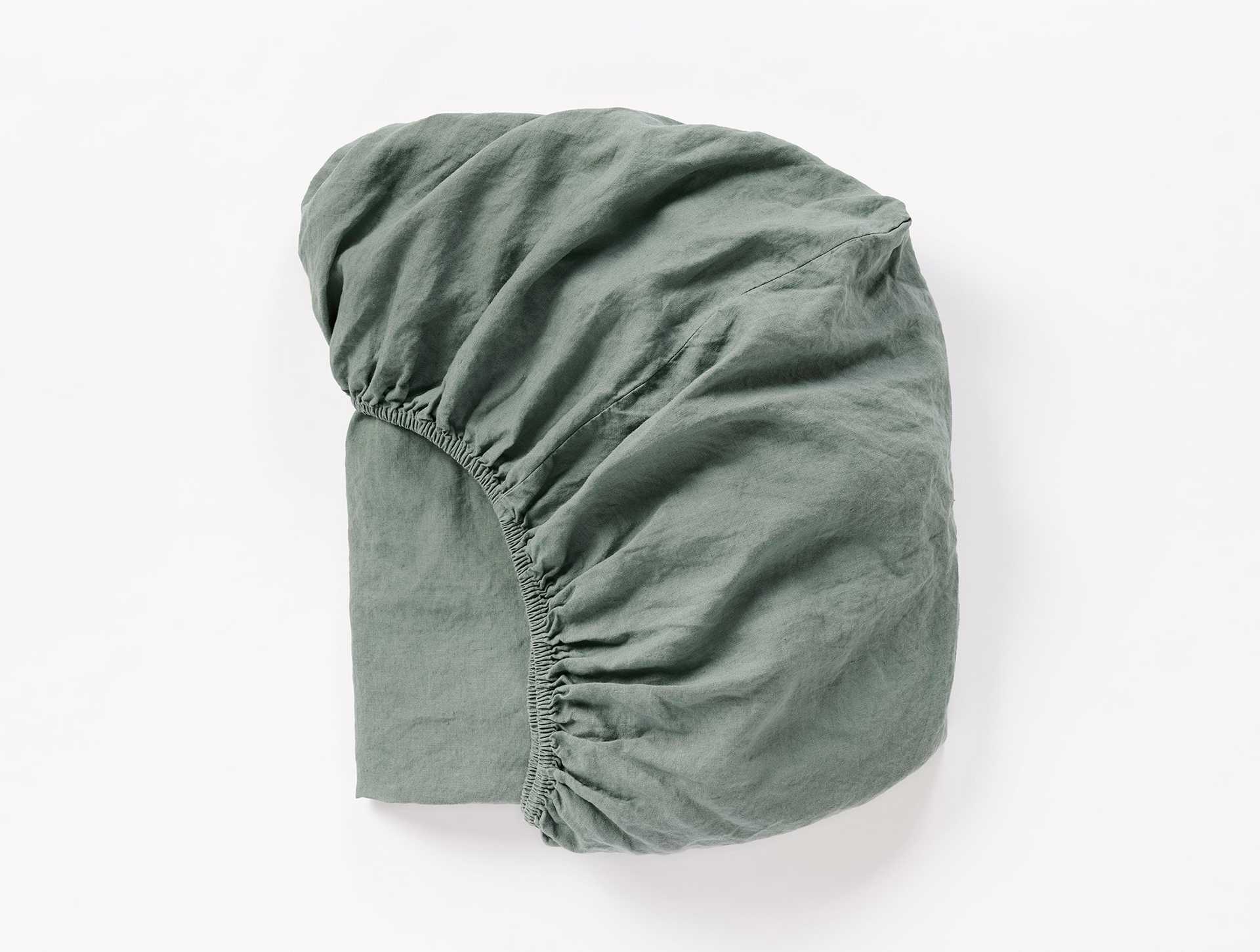
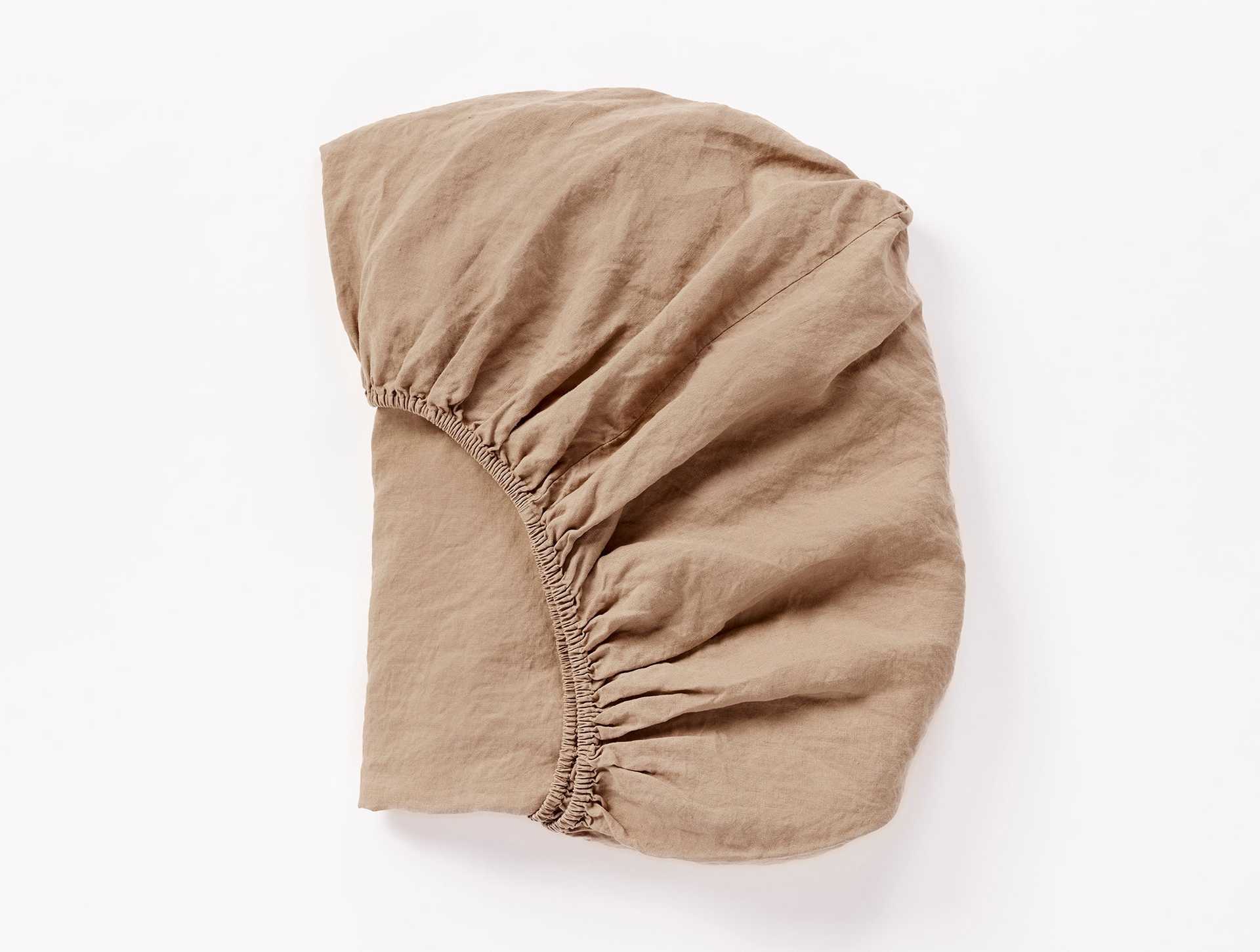
Colour is another practical detail, not just a decorative one. The listed palette includes Arctic Snow, Beige, Harbor Island and Forest Canopy. Consider how each shade will work with your duvet cover, headboard and existing textiles, but also whether you want a bright, light-catching bed or a more grounded, tonal scheme. A restrained palette makes it easier to rotate pillowcases and layer blankets without making the bedroom feel busy.
For a coordinated look, begin with the sheet colour as the quiet foundation. A crisp pale tone can lend freshness; a warmer neutral can soften a room with timber, woven accents or warm paint. If you enjoy pattern, keep the sheet simple and bring visual interest in through a duvet cover or cushion. The aim is not perfection, but a thoughtful balance of texture, colour and use.
What organic certification can—and cannot—tell you
The supplied product details identify the fabric as GOTS-certified organic flax linen and state that it is made in a GOTS-certified organic facility. Certification can be a useful part of comparing textiles because it offers a defined standard for organic fibre and processing requirements. It gives shoppers more information than a broad, unsupported use of the word “natural”.
Still, certification should be read as one part of a product’s story, not a substitute for checking its construction, size or care. The stated origin details also show why a textile’s journey may involve more than one place: the flax is grown in France, while the finished sheets are made in India in a certified facility. Fibre origin, weaving and final manufacture are separate stages, and product information should be interpreted accordingly.
For a practical purchase decision, ask what matters most to you. You may prioritise certified organic fibre, a particular fabric feel, a deep fitted-sheet pocket or an easy laundering routine. Knowing your priorities makes it easier to compare like with like and avoids treating a single label as an all-purpose measure of quality, comfort or environmental impact.
Everyday care: follow the product guidance
Care instructions are part of the buying decision. For the Naturepedic organic linen sheets described here, the guidance is to machine wash warm, tumble dry on low, warm iron if desired and avoid bleach. Following the label is the most reliable starting point, especially if the maker provides updated instructions with the item. Linen may be durable, but a thoughtful laundry routine helps limit unnecessary stress on the fibres, seams and finish.
Before washing, separate colours where appropriate and avoid crowding the machine. Bedding needs room to move through water and rinse properly; an overloaded drum can leave it twisted or less thoroughly cleaned. Use a suitable detergent in the recommended amount, since excess product may be difficult to rinse away. Avoid bleach as specified, and do not add harsh treatments simply to make linen appear brighter.
Warm water and low tumble drying are the listed recommendations for this set. If you are accustomed to washing all bedding in a hot cycle, pause to check the care label rather than assuming higher heat is better. Likewise, low heat is a gentler choice than a prolonged, high-temperature dry. Remove sheets when dry rather than leaving them to tumble unnecessarily; this can help limit creasing and excessive exposure to heat.
Ironing is optional according to the product information. If you prefer a smoother finish, a warm iron is the stated setting. For many households, making the bed while the sheets are still fresh from drying and accepting a little natural texture is a simpler routine. Either approach is valid: the best care habit is one you can follow consistently without putting the fabric through avoidable extremes.
A simple wash-day routine
- Check the care label and separate the bedding from items with hooks, zips or rough fastenings.
- Wash warm, following the stated guidance, and leave enough space for the sheets to move freely.
- Skip bleach and use a measured amount of suitable detergent.
- Tumble dry on low and remove the sheets when dry.
- Warm iron only if you want a smoother finish, then fold or remake the bed promptly.
Building a comfortable sleep setup
Sheets are only one layer of the bed, but they are the layer in closest contact with the body. Their comfort is shaped by the mattress beneath them, the duvet above them, the room temperature and personal sleep preferences. A breathable linen sheet may be an appealing foundation, yet a heavy duvet in a warm room can still leave a sleeper uncomfortable. Consider the full arrangement rather than expecting one textile to solve every temperature concern.
For a composed, inviting bed, keep the base simple: a fitted sheet that stays in place, pillowcases suited to the pillows you own and a duvet cover that works with the season. Add a light blanket when you want flexibility. Layering lets you adjust warmth without changing the whole bed, and it gives the room visual depth through shifts in texture rather than a proliferation of decorative pieces.
Regular rotation can also make bedding easier to maintain. Having a spare set means you can change the bed without rushing the wash and drying process. Store clean sheets in a dry, well-aired cupboard, folded loosely enough to avoid creating deep, persistent creases. Keeping sets together can simplify linen changes and help you track which pieces belong to the same size and colour family.
For anyone sensitive to particular fibres, finishes or laundry products, comfort is personal. Introduce new bedding in line with its care guidance and pay attention to how it feels after washing. If skin irritation or persistent discomfort occurs, discontinue use and seek appropriate professional advice rather than assuming the issue is necessarily caused by the fabric alone.
Common questions about Naturepedic organic sheets
Are these sheets suitable for year-round use?
The product information describes linen as breathable and temperature regulating, qualities that can make it appealing across seasons. Actual comfort depends on the sleeper, the room and the other bedding layers. Adjust your duvet and blankets to the weather rather than relying on sheets alone.
Will the sheets feel soft straight away?
Feel is subjective and depends on the fabric’s weave and finish as well as personal preference. Linen often has a more textured, substantial hand than smooth cotton sheeting. The supplied details describe the fabric as stone-washed and note that it becomes softer with washing, but there is no single sensation that will suit every sleeper.
How can I tell whether the fitted sheet will fit my mattress?
Measure the mattress, including any topper or protective layer, and compare the total depth with the listed 15-inch pocket. Confirm the mattress size as well. If your bed is unusually deep or has a thick topper, check the current manufacturer specifications before making a decision.
Can linen sheets be ironed?
The care information lists warm ironing as an option. It is not necessary if you prefer linen’s relaxed texture. If you iron, use the stated setting and the product label as your guide.
What comes in the sheet set?
The listed set includes a flat sheet, fitted sheet and two pillowcases. Sizes and pillowcase dimensions vary, so review the current specifications for the precise option you are considering.
The final detail: choose for the life you lead
The most satisfying sheets are not necessarily the most elaborate. They are the ones that fit the mattress, feel pleasing against the skin and suit the rhythm of your home. Naturepedic organic sheets bring together organic flax linen, a stated 185 gsm fabric weight, a 15-inch fitted-sheet pocket and a clear care routine. Those are useful facts to weigh against your own preferences: the texture you enjoy, the depth of your bed and the way you prefer to wash and finish bedding.
Take measurements before choosing a size, verify what the set contains and keep the care instructions close to hand. Then let the bed become a quiet expression of comfort: breathable layers, a colour palette that feels restful and a finish that does not demand unnecessary fuss. With those essentials in place, everyday bedding can feel less like a purchase to decode and more like a small, considered pleasure at the end of the day.