Bedding care · Linen guide
Coyuchi Linen Pillowcases: A Simple Routine for Washing and Drying
Linen has a particular kind of ease: a natural texture, a relaxed drape and a softness that develops with use. The best way to preserve that character is not complicated. Check the care label, wash thoughtfully and dry without excessive heat. These small habits make a useful difference when pillowcases are part of the regular laundry rotation.
Published 16 October 2026
Pillowcases are among the most frequently laundered pieces in a bedroom. They meet skin and hair night after night, so they need regular refreshing; at the same time, repeated washing can put stress on fabric if the load is crowded, the cycle is too vigorous or the dryer is allowed to run too hot. With linen, the aim is a balance: clean, comfortable bedding without stripping away the fabric’s natural hand or encouraging avoidable wear.
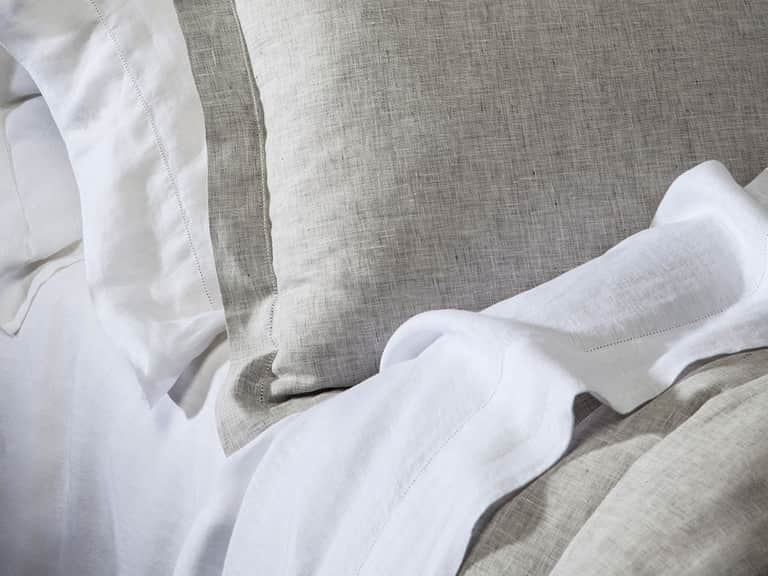
Coyuchi linen pillowcases are described as being made from organic flax linen, with fabric grown in France and woven in Portugal. Their care guidance calls for a cold, gentle machine wash with like colours, followed by low-heat tumble drying. Some care descriptions also recommend removing linen promptly and using a warm iron if desired. Always defer to the care label on the particular pillowcase in your hands: finishes, colours and product versions can differ, and the label is the most relevant guide for that item.
What follows is a calm, repeatable linen pillowcase care routine. It covers sorting, loading, washing, drying and putting cases away, as well as a few common questions about creasing, detergent and softness. The intention is not to make laundry precious. It is to keep a simple household task gentle enough for a fabric that is made to be used.
Start with the care label, not a rule of thumb
“Linen” is a fibre description, not a complete washing instruction. The right treatment depends on the construction, colour, finish and any details such as embroidery or contrasting trim. One linen textile may be suitable for a warm gentle wash; another may call for cold water and a more cautious approach. Even when two pillowcases look similar, their instructions may not be identical.
Before laundering, check the sewn-in label and any guidance that came with the bedding. For Coyuchi linen pillowcases, the supplied information recommends machine washing cold on a gentle cycle with like colours, and tumble drying on low. Where the label gives a different instruction, follow that instruction. If the label is missing or hard to read, a conservative cold wash and low-agitation cycle is a reasonable starting point, but avoid treating general advice as a substitute for the manufacturer’s directions.
It is also worth taking a moment to inspect the pillowcase. Close zips, fasten buttons if present and turn the case inside out when helpful. This can reduce friction on decorative details and help protect the outer surface from contact with heavier items. Remove anything caught in the fabric, such as a hairpin or tissue, before it reaches the machine.
Sort with colour and texture in mind
Sorting is one of the simplest ways to avoid laundry mishaps. Wash white and pale pillowcases with similar light colours, and keep strongly dyed or darker pieces in a separate load, particularly when they are new or have not been washed before. A little separation helps reduce the chance of colour transfer and keeps lighter linen looking fresh. Avoid relying on colour-catching products as a replacement for sensible sorting.
Consider texture as well as colour. Heavy towels, denim, garments with hooks or zips, and items with rough embellishments can rub against linen during a cycle. That friction may contribute to snags or surface wear. Washing pillowcases with other light bedding is often a gentler arrangement than placing them in a mixed load with bulky household textiles.
Before washing, unfold each case fully. Linen should not enter the machine as a tightly balled bundle, and pillowcases should have enough space to move freely through the wash and rinse. If the drum is packed, water and detergent cannot circulate as effectively, and the fabric is more likely to emerge twisted or creased. A smaller load may require an extra cycle, but it gives the fabric room to be cleaned and rinsed properly.
A gentle wash, step by step
- Prepare the cases. Empty them, unfold them and check for visible marks. Treat a spot according to the care guidance for the fabric, rather than applying a strong stain remover indiscriminately.
- Sort by colour and weight. Keep similar shades together and separate pillowcases from abrasive or very heavy items.
- Choose the appropriate cycle. For Coyuchi linen pillowcases, the stated guidance is a cold, gentle machine wash. Select a cycle with lower agitation where your machine offers that option.
- Measure detergent carefully. Use a mild detergent suitable for the care label and the load size. More soap does not mean cleaner fabric; excess product can be difficult to rinse away.
- Keep the drum comfortably filled. Leave space for the pillowcases to circulate. Avoid compressing them beneath a full load of bedding or towels.
- Remove promptly. When the cycle ends, take the cases out rather than leaving them crumpled in the drum. Shake each one gently and smooth the seams before drying.
A gentle cycle is not a promise that every mark will disappear in one pass. If a stain remains, do not respond by immediately increasing the temperature or choosing a harsher cycle. Check the care label, identify the type of mark if possible and use a suitable treatment on a small, inconspicuous area first. Heat can make some stains harder to remove, so it is sensible to assess the fabric before putting it in a warm dryer.
Detergent, softener and the feel of linen
Keep the detergent dose measured. The amount needed depends on the machine, water conditions and size of the load, so follow the detergent instructions rather than pouring by instinct. A mild, colour-safe product is often a practical choice for regular laundering, provided it is compatible with the textile’s care directions. Avoid adding bleach or a detergent containing bleaching agents unless the manufacturer specifically allows it.
Fabric softener is not essential to making linen comfortable. Linen naturally changes with use and laundering; the feel can become more relaxed over time without an added coating. Softener may affect how a textile absorbs moisture or feels against the skin, and it can leave residues if used heavily. For that reason, a simple wash with an appropriate detergent is often enough. If the care label gives specific advice about softener, follow it.
It is tempting to judge linen by whether it comes out perfectly smooth. That is not the measure of good care. Its characteristic texture is part of its appeal, and a few soft creases are entirely compatible with a well-kept bed. The more useful signs are that the fabric is clean, rinsed well, dried appropriately and free from avoidable snags or harsh treatment.
Drying linen pillowcases without overdoing it
Drying is where a little restraint pays off. Coyuchi’s stated pillowcase guidance recommends tumble drying on low. Use that setting rather than high heat, and avoid leaving the cases in the dryer long after they are dry. Excessive heat and prolonged tumbling can place unnecessary stress on fibres and may deepen creasing. The precise drying time varies with the machine, load size and room conditions, so check the fabric rather than relying only on the timer.
Air drying is another practical option when space and weather allow. Shake out each pillowcase, smooth the seams and hang it where air can circulate. Promptly spreading the fabric out after the wash helps prevent it from drying in a tightly crumpled shape. Keep it away from surfaces that could transfer dirt or marks, and follow the care label’s guidance about direct sun, especially for coloured linen.
Whether using a tumble dryer or a washing line, avoid leaving the cases damp in a heap. Lingering moisture can lead to an unpleasant stale smell and makes creasing more likely. Once dry, fold or place them on the bed. If a pillowcase feels slightly damp at a seam or in a thick hem, allow it to finish drying before storing it in a cupboard.
Should linen pillowcases be ironed?
Ironing is a matter of preference, not a requirement for everyday linen care. If you like a neater finish, consult the label for the permitted temperature. Coyuchi care descriptions indicate that a warm iron may be used if desired. Ironing while the fabric is just slightly damp can help relax creases; use a clean iron and test a less visible area if you are uncertain about the setting or finish.
For a more relaxed look, smooth the cases by hand while they are still a little warm from the dryer or freshly off the line, then fold them neatly. This preserves linen’s natural, softly rumpled character while keeping the bed looking considered. There is no need to chase a glass-flat finish unless that is genuinely the look you prefer.
How often should pillowcases be washed?
There is no single interval that suits every household. How often to wash pillowcases depends on personal preference, skin and hair routines, climate, and how the bed is used. Many people include pillowcases in a regular weekly bedding wash, while others change them more frequently. If a case becomes visibly soiled, picks up a smell or feels less fresh, wash it sooner. A consistent routine is more useful than a rigid schedule followed without regard to actual use.
Having a spare set makes that routine easier. It allows a fresh case to go on the pillow while the laundered one dries completely, reducing the temptation to put away or reuse fabric that is still damp. Store clean linen in a dry, well-ventilated cupboard and avoid compressing it beneath heavy items. A simple fold keeps pairs together and makes the next change of bedding feel almost effortless.
Common linen pillowcase care questions
Can linen pillowcases be washed in a washing machine?
Yes, if the care label permits machine washing. For Coyuchi linen pillowcases, the provided advice is to use a cold, gentle cycle with like colours. Keep the load loose enough for the fabric to move and rinse freely.
Can I wash linen pillowcases with sheets?
They can generally be washed with other lightweight bedding in similar colours, provided the care instructions are compatible and the machine is not overloaded. Avoid mixing them with abrasive items, heavy towels or garments with hardware that could catch the linen.
Is high heat necessary to get pillowcases clean?
Not as a general rule. Follow the temperature and cycle specified on the label. The Coyuchi guidance for these pillowcases calls for a cold wash and low-heat tumble drying. If you have a particular hygiene concern, consult the product care instructions and any relevant professional guidance rather than assuming that high heat is appropriate for the fabric.
Why did my linen pillowcase come out very wrinkled?
Creasing can be more pronounced when a machine is overloaded, when the fabric is left sitting damp or when it remains in a dryer after the cycle finishes. Unfold pillowcases before washing, leave room in the drum, remove them promptly and shake them out before drying. Some wrinkles are natural to linen and do not indicate damage.
Will linen soften with washing?
Linen can become more relaxed with use and laundering, but the result depends on the fabric, its finish and how it is cared for. Avoid trying to accelerate softness with harsh cycles, excess detergent or unapproved treatments. Gentle, consistent laundering is the more dependable long-term approach.
A quiet routine that respects the fabric
The most dependable linen pillowcase care is deliberately uncomplicated: read the label, separate colours, choose a gentle wash, use a measured amount of detergent, avoid crowding and dry on low heat or in open air. Remove the pillowcases promptly and store them only when fully dry. If you prefer a smoother finish, use a warm iron only when the care directions allow it.
These habits do not promise that linen will remain unchanged. A natural fabric is meant to be lived with; its texture and drape evolve as it is slept on and washed. The aim is to preserve comfort and usefulness, not to freeze the material in a pristine state. With a little care at each stage, regular laundering can stay practical, and the familiar softness of a favourite pillowcase can become part of the everyday pleasure of making the bed.